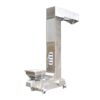
Controlled Vertical Transport for Packaging and Processing Lines
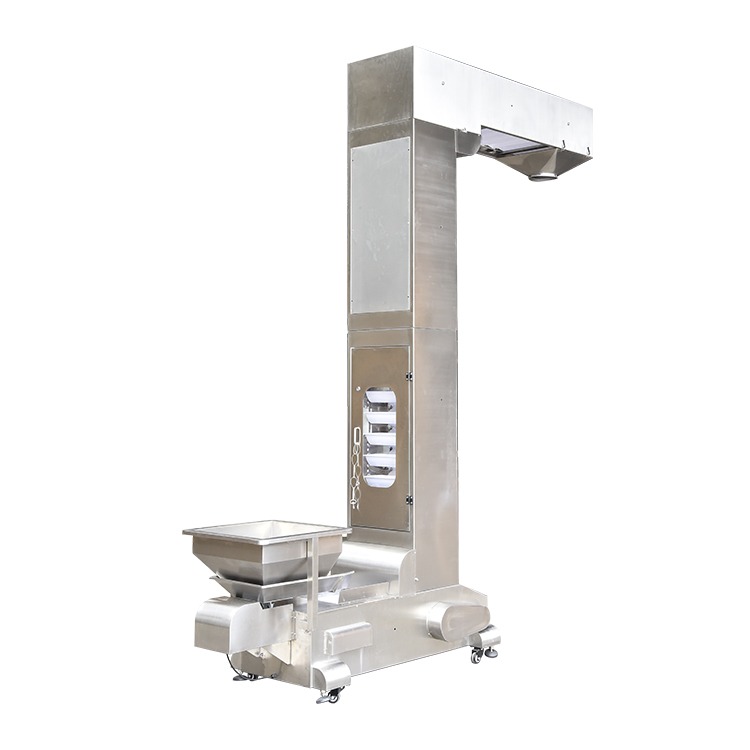
A bucket elevator is used to move bulk materials vertically between different stages of production, keeping the flow stable and predictable. In food processing and packaging environments, this type of system allows products such as grains, powders, snacks, or small loose items to be transferred without unnecessary handling or product loss. The structure consists of a series of buckets attached to a belt or chain, operating within an enclosed casing. This setup limits contamination and keeps the working area organised, which is particularly important in settings with strict hygiene standards. Compared to horizontal conveying systems, vertical transport reduces the line’s footprint and allows better use of available space. In production settings where multiple machines operate in sequence, a consistent material supply is critical. Interruptions at this stage can affect the accuracy of weighing, dosing, and packing. A properly selected solution ensures that each part of the line receives material at the right time, supporting stable operation across the entire process.
Integration with Automated Packaging Equipment
A bucket elevator conveyor is rarely used as a standalone unit. It is typically installed as part of a wider system that includes filling machines, multihead weighers, cartoners, or case packers. The connection between these elements directly impacts output and workflow continuity. Careful integration allows material to move smoothly from one stage to another, without delays or overflow. Discharge height, speed control, and positioning must align with the requirements of the subsequent packaging machines. Even small mismatches can result in uneven feeding or unnecessary stoppages. Rafpol supplies packaging machinery from recognised manufacturers such as Radpak and SIGITAS PAK, which makes it easier to match conveying systems with existing or planned equipment. This approach reduces the need for post-installation adjustments and supports a more predictable production setup. Well-planned integration also simplifies operators’ work, reduces manual intervention, and improves overall line organisation.
Adaptation to Product Type and Production Conditions
Not all materials behave the same way during transport, which is why bucket elevators are configured to meet specific production needs. Factors such as product weight, fragility, moisture content, and flow characteristics influence how the system should operate. For example, fragile food products require controlled movement to avoid breakage, while heavier bulk materials demand stronger components and different bucket spacing. Speed settings also need to match the product’s characteristics to prevent spillage or blockages. In practical terms, the system can be adapted through:
- bucket size and shape
- belt or chain selection
- lifting speed and discharge method
- enclosure type for hygiene control
These adjustments allow the equipment to operate efficiently across diverse production environments, from dry goods handling to more sensitive food applications. Choosing the correct configuration reduces wear, simplifies cleaning, and supports consistent operation over time.
Equipment Supply and Industry Experience in the UK
Rafpol operates across the UK, supplying packaging machinery and supporting equipment to businesses in the food manufacturing sector. The offer includes not only complete machines but also components that complement existing production lines. Access to established brands such as Radpak, Atlas Copco, Markem Imaje, and SIGITAS PAK allows you to build systems based on proven technologies. This is particularly important when combining multiple machines into one continuous process, where compatibility and reliability directly affect productivity. The company’s experience in packaging automation helps select equipment that meets specific operational requirements. Instead of treating each machine as a separate purchase, the focus remains on how all elements function together within the same line. Support after delivery is also part of the process, helping maintain continuity in production and addressing technical questions when they arise.
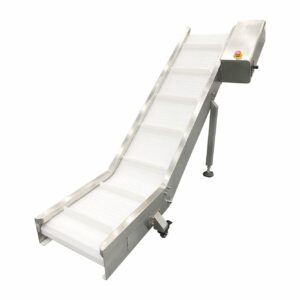
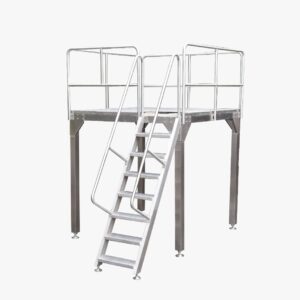
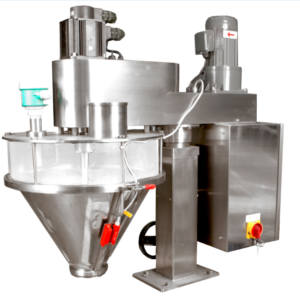
Explore other product handling and feeding solutions: